
On a 30‑minute train from Birmingham to London, I thumbed through a fresh level in a newly released game. The screen exploded in neon, and before the doors opened I’d earned a virtual badge and a 10 % bonus on my next in‑app purchase. That quick victory sparked a larger trend: mobile gaming has moved from a side hobby to the UK’s primary source of instant entertainment.
Numbers That Speak Louder Than Buzzwords
The UK Digital Market Report 2024 shows mobile game downloads up 18 % year‑on‑year, hitting 1.3 billion in 2023. Daily active users on mobile now outnumber desktop users by a factor of 2.7. Average smartphone sessions last 12 minutes—a 5 % rise from 2022—while desktop sessions average 9 minutes. These figures reveal how leisure is shifting.
- Download growth: 18 % in 2023
- Daily active users: 2.7 × higher on mobile
- Average session: 12 minutes on mobile vs. 9 minutes on desktop
For the everyday player, this means the most compelling games hook you within 30 seconds, offer a clear goal, and reward you before the next stop.
Designing for the On‑the‑Go Mindset
Developers have responded in three concrete ways. First, load times have dropped to under three seconds, cutting the average wait from 7 seconds in 2019 to just 2.8 seconds today. Second, “quick‑play” modes let you finish a level in 2–3 minutes, ideal for a coffee break or layover. Third, micro‑transactions now tie into social sharing: post a screenshot to Twitter, earn a new avatar skin, and share a 5 % discount with friends.
Yet not every title hits the mark. Some still need a ten‑minute setup before the first level, frustrating users craving instant gratification. The push for micro‑transactions can feel intrusive if a purchase prompt appears every 30 seconds—an approach the UK Gambling Commission warned against in its 2023 consumer protection guidelines.
From Casual Fun to Full‑Scale Entertainment
Mobile gaming now serves as a gateway to a broader online entertainment ecosystem. Seamless integration of social media, in‑app purchases, and cross‑platform play means a casual phone game can lead to richer experiences. A puzzle app might offer a companion web series, while a racing game could unlock a virtual concert for top leaderboard players.
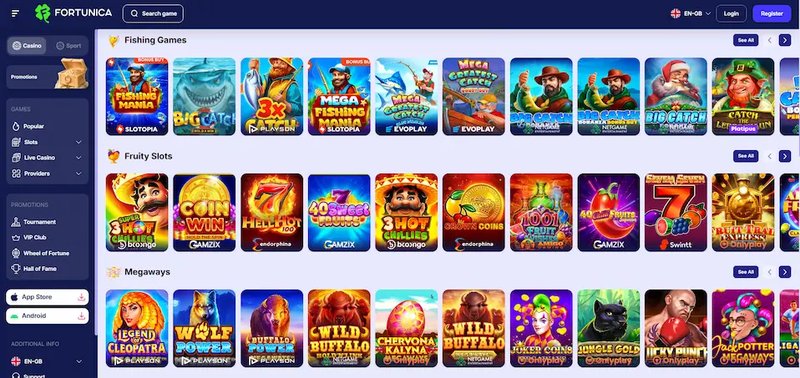
Many gamers use mobile titles as a prelude to online casinos. A recent survey found that 37 % of UK gamers who try a new mobile game also visit an online casino within the same week. Fortunica (https://www.happystoves.co.uk/) has capitalised on this crossover, blending slots with social betting features on a mobile‑first platform.
What the Future Holds
The next wave of mobile gaming will hinge on two emerging technologies. First, augmented reality (AR) is moving from niche to mainstream: 45 % of UK smartphones now support ARKit or ARCore. Games that overlay interactive elements onto the real world—think city‑wide treasure hunts—will captivate a generation raised with smartphones in every pocket.
Second, subscription models are gaining traction. Instead of a one‑off purchase, players can pay a monthly fee for access to a rotating library. Early adopters report a 22 % higher lifetime spend than those who buy titles individually, suggesting convenience is becoming a premium in itself.
Conclusion
Mobile gaming’s rise is no fleeting fad; it reflects UK players’ appetite for speed, convenience, and connectivity. With session lengths climbing and new tech on the horizon, the next chapter will likely blur the line between entertainment and everyday life even further. So next time you’re on a bus or waiting in line, remember that a game can offer a quick escape, a social connector, and a portal to a larger digital world—all in just a few taps.
Frequently Asked Questions
What drives the rise of mobile gaming in the UK?
Higher smartphone penetration, improved 5G networks, and engaging free-to-play models attract a wide audience.
How does mobile gaming impact traditional media consumption?
It offers quick, on-the-go entertainment, leading many to swap longer TV sessions for shorter gaming bursts.